Spring and autumn test
- Look and listen. Lift the lid. The pit should be free of silt, gravel and debris.
- Pour water in. Slowly empty a bucket into the pit until the float rises. You should hear it kick on, drain the basin and stop on its own.
- Watch the float. It needs room to rise and fall without rubbing the liner or snagging on wires.
- Listen at the check valve. Once the motor quits, the column of water in the pipe should stay put, not pour back into the basin.
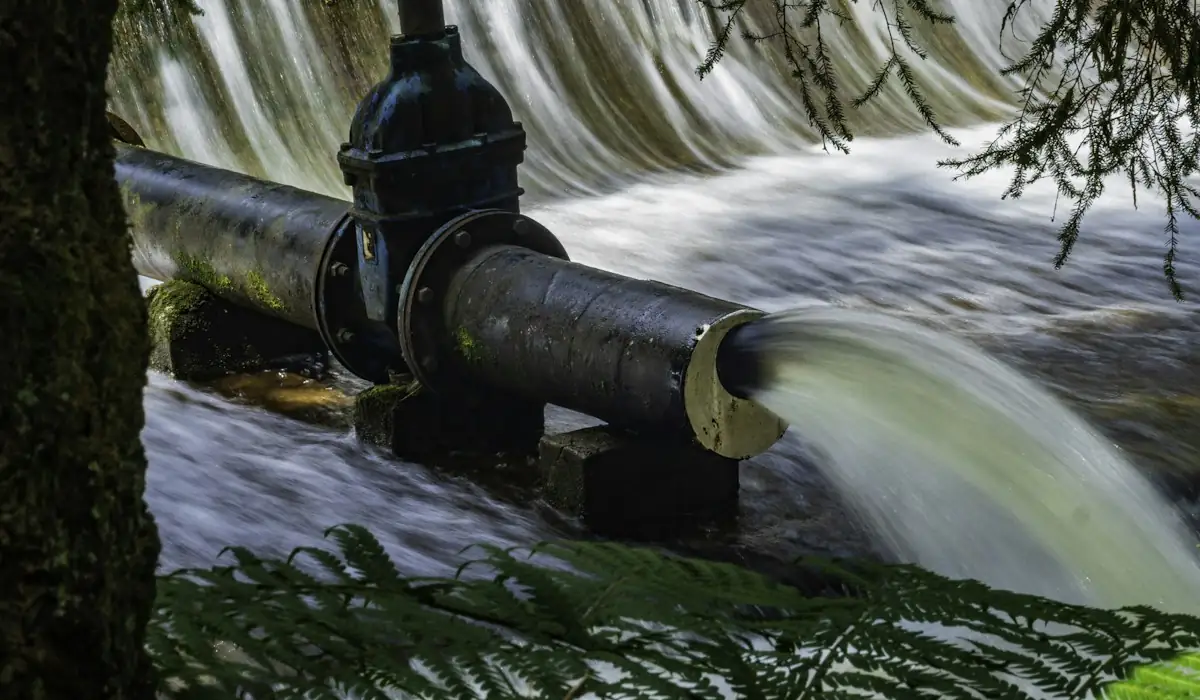
- Go outside. Make sure the outlet pipe is spitting water well clear of the house.
Signs your pump is tired
- A hum with no water leaving the pit.
- Nonstop running during a dry spell.
- Short bursts, starting and stopping again and again.
- Rust, a burning smell or loud vibration.
Winter care
A discharge line that freezes outside can stop the whole system. Keep the outlet clear of snow, avoid long flat runs where water sits, and consider a freeze-relief fitting near the house.
Backup power. The same storm that floods the basin can cut the hydro. A second pump on battery, or one driven by city water pressure, covers that gap.
When to call
If your pump flunks the bucket test, or water rises faster than it can keep up, read our sump pump repair page. Pumps typically need replacing every several years, and swapping one before spring is far better than during a storm.
Keep the pit closed
A sealed lid stops debris and keeps soil gas out of the basement. Make sure children and pets cannot lift it.
Tools worth keeping in the basement
- Two plungers: a flanged one for bowls, a flat cup for basins
- A hand snake around twenty-five feet long
- Adjustable and basin wrenches
- A bucket, rags and a flashlight
- A tag on the main shut-off valve
Ready when you are. One call, a real plumber, an arrival window.
Call now(365) 517-6415